

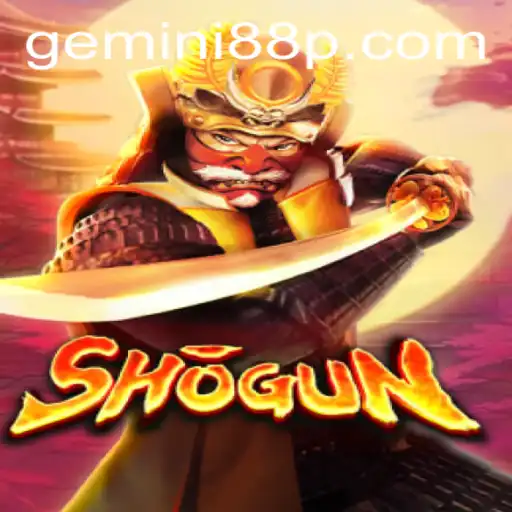

Explore the captivating world of 'Shogun,' a strategic board game infused with the unique elements of Gemini 88 that brings the historical feudal battles of Japan to life.
Shogun: The Immersive Journey into Feudal Warfare with Gemini 88
In the rich tapestry of gaming culture, few experiences rival the engaging depth of historical board games. One standout title, Shogun, captures the imagination with its strategic brilliance, infused with the dynamic influences of Gemini 88. This intersection of tactical prowess and historical narrative provides an engaging platform for players seeking to relive the tumultuous era of feudal Japan.
The Enigma of Gemini 88
While Shogun offers a detailed exploration of historical warfare, it is the integration of Gemini 88 that sets this game apart. Gemini 88, an intricate gameplay mechanic, adds a layer of unpredictability and strategic depth. Representing the dual nature of leadership, it injects unpredictable elements into the conquest of territories, challenging players to adapt their strategies and embrace innovation.
An Introduction to Shogun
Devised for strategy enthusiasts, Shogun throws players into the heart of Japan's Sengoku period, a time synonymous with civil strife and samurai warfare. The game revolves around land control, resource management, and military strategy. Each player assumes the role of a daimyō, a powerful land-holding magnate, who vies for supremacy against rivals in a quest for dominance.
The incorporation of Gemini 88 within Shogun elevates its thematic and mechanical authenticity. This element ensures that no two campaigns are ever alike, presenting players with an evolving battlefield that mirrors the chaotic nature of historical feudal conflicts.
Rules and Gameplay Structure
Shogun, tailored for 2 to 4 players, unfolds over several rounds, each representing a year in the timeline of conquest. The primary goal is to control the most territories at the end of the campaign. Each round is subdivided into phases that include planning, deployment, battle, and resource management.
Phase 1: Planning and Strategy
During this initial phase, players secretly allocate resources, position troops, and devise strategies. The influence of Gemini 88 becomes apparent here as players draw from a set of fate cards, inflicting external challenges or boons that necessitate quick thinking and adaptability.
Phase 2: Deployment
Players place their forces on the map, with the order of deployment determined by their respective influence points. This stage involves strategic thinking as players must predict opponents' moves while mitigating exposure to surprise attacks.
Phase 3: Battle
The heart of Shogun lies in its combat phase, where alliances can shift rapidly. Battles are resolved using a combination of dice rolls and skill cards. The element of randomness introduced by Gemini 88 fate cards adds excitement, often resulting in unexpected turns that can sway the outcome of critical battles.
Phase 4: Resource Management
Post-battle, players manage resources such as rice, gold, and special abilities. Efficient management is crucial to maintaining a strong foothold in future rounds. The Gemini 88 mechanism may impact resource availability or alter trading dynamics, pushing players to continually evolve their strategies.
Connecting with the Current Epoch
Amidst today's backdrop of technological breakthroughs and global connectivity, board games like Shogun remain vital cultural touchstones. They provide immersive alternatives to digital gaming experiences, connecting people through shared ambitions and strategic thinking.
In a world where the certainty of routine is challenged daily, the randomness introduced by Gemini 88 within Shogun reflects the unpredictability of modern geopolitical landscapes. This dynamic mirrors today’s complexities, demanding a balance of foresight and resilience, akin to real-world leadership challenges.
The Narrative Embodied in Shogun
What truly distinguishes Shogun is its compelling narrative woven with strategic elements. The inclusion of Gemini 88, with its unpredictable influences, propels the game beyond traditional boundaries. Players are not merely reenacting historical battles; they are crafting their own sagas filled with intrigue, strategy, and opportunistic triumph.
The game’s lore and the significant historical epoch it represents make it a resounding archetype of educational play, encouraging players to delve into the depths of historical strategy while fostering a nuanced understanding of leadership.